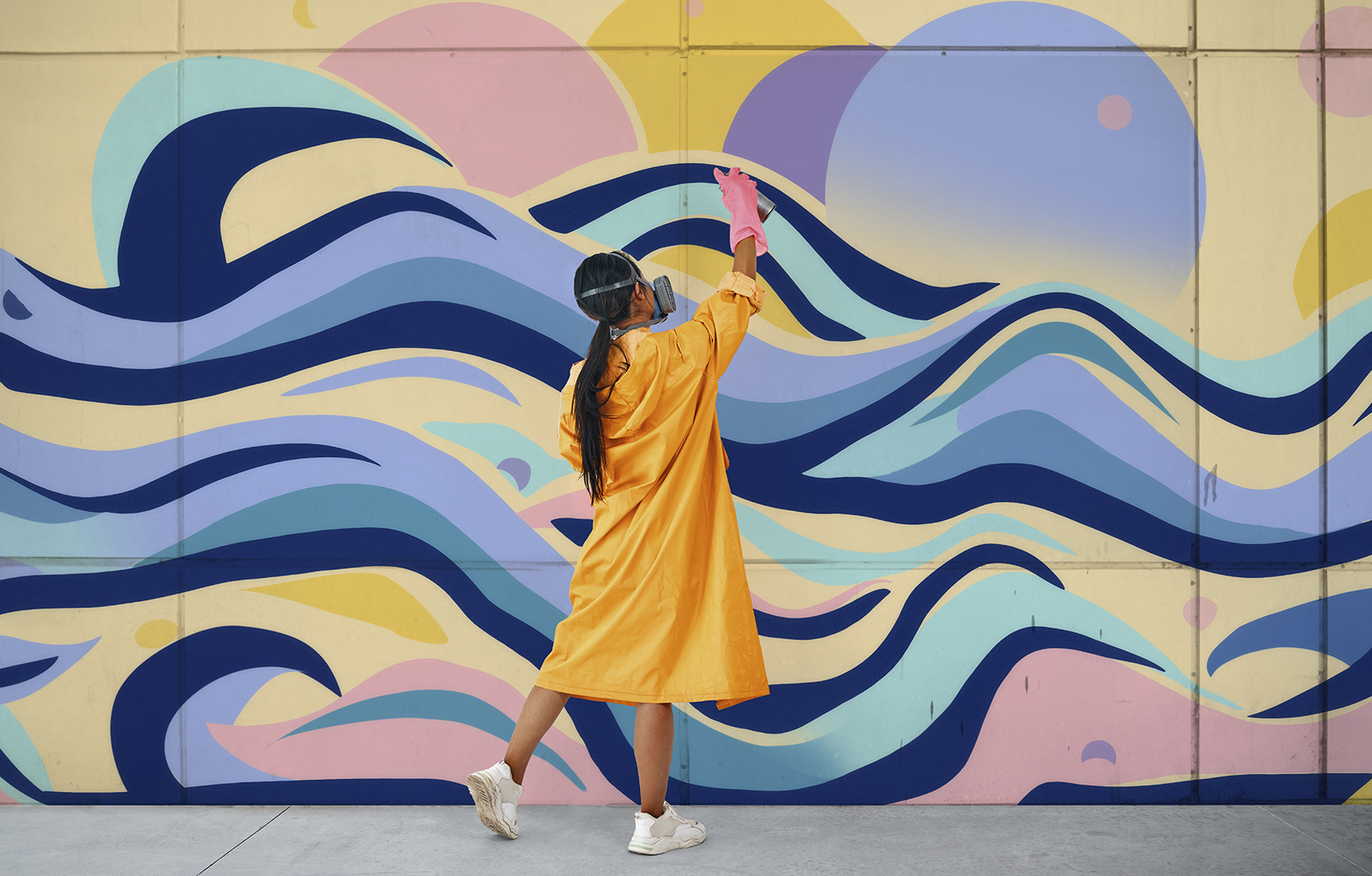
The Farm Project connects art, culture, local business, and neighborhood identity in Clarke Square. Based around Cesar E. Chavez Drive, the project uses creative activity to strengthen the commercial corridor and support community development. Its name refers not to agriculture but to the idea of planting cultural and economic seeds that can grow inside the neighborhood.
The Farm Project on Cesar E. Chavez Drive
The Farm Project, also called El Proyecto Campesino, works inside the area of Business Improvement District 38. Cesar E. Chavez Drive is central to the project and carries the name of the labor leader connected with farm workers and Latino history. This connection explains the project name and its symbolic use of farming language.
The main purpose is to bring arts and culture into the corridor while helping economic activity around businesses. Public art, events, and partnerships create more reasons for residents and visitors to spend time in the area. The project treats cultural work as part of neighborhood development rather than as a separate activity.
Art as a Visible Part of the Corridor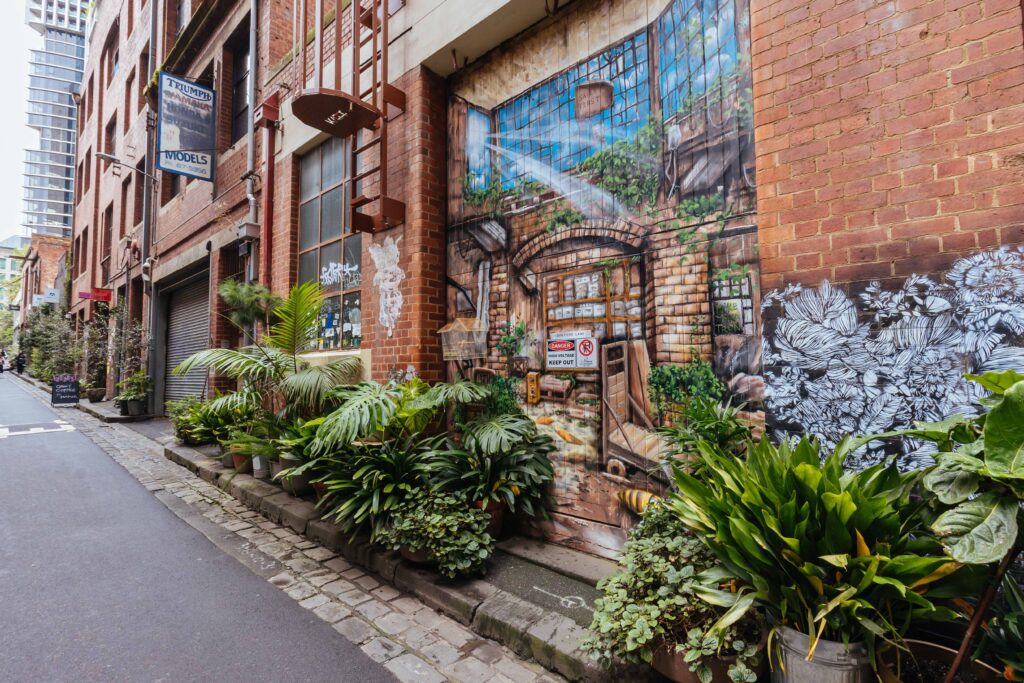
Artists in residence added permanent works to Cesar E. Chavez Drive. Erick Ledesma created the “¡Sí, se puede!” mural at the southeast corner of Cesar E. Chavez Drive and Mineral Street. Isabel Castro created “Tejiendo Raíces,” a vertical mural on the north wall of 1023 South Chavez Drive.
Their work gave the corridor more color and made local culture visible in public space. The artists also worked near the community, not only producing finished pieces but also taking part in creative activity around the neighborhood.
Important elements connected with the Farm Project:
- murals and other permanent public art
- artist in residence activity
- Ciclovia MKE as an annual open streets event
- cooperation with local businesses and organizations
- cultural activity linked with economic development
Community Partnerships and Local Economic Goals
The Farm Project depends on cooperation between neighborhood organizations, businesses, funders, artists, and community institutions. Partners connected with the work included the Zilber Family Foundation, Mary L. Nohl Fund, Bader Philanthropies, Newaukee, Sixteenth Street Community Health Centers, El Rey Supermarket, and businesses within BID 38.
This network supports a model where different organizations contribute to shared local purpose. Public art can improve the appearance of the corridor, but it also can attract attention to stores, create opportunities for artists, and strengthen the image of the district.