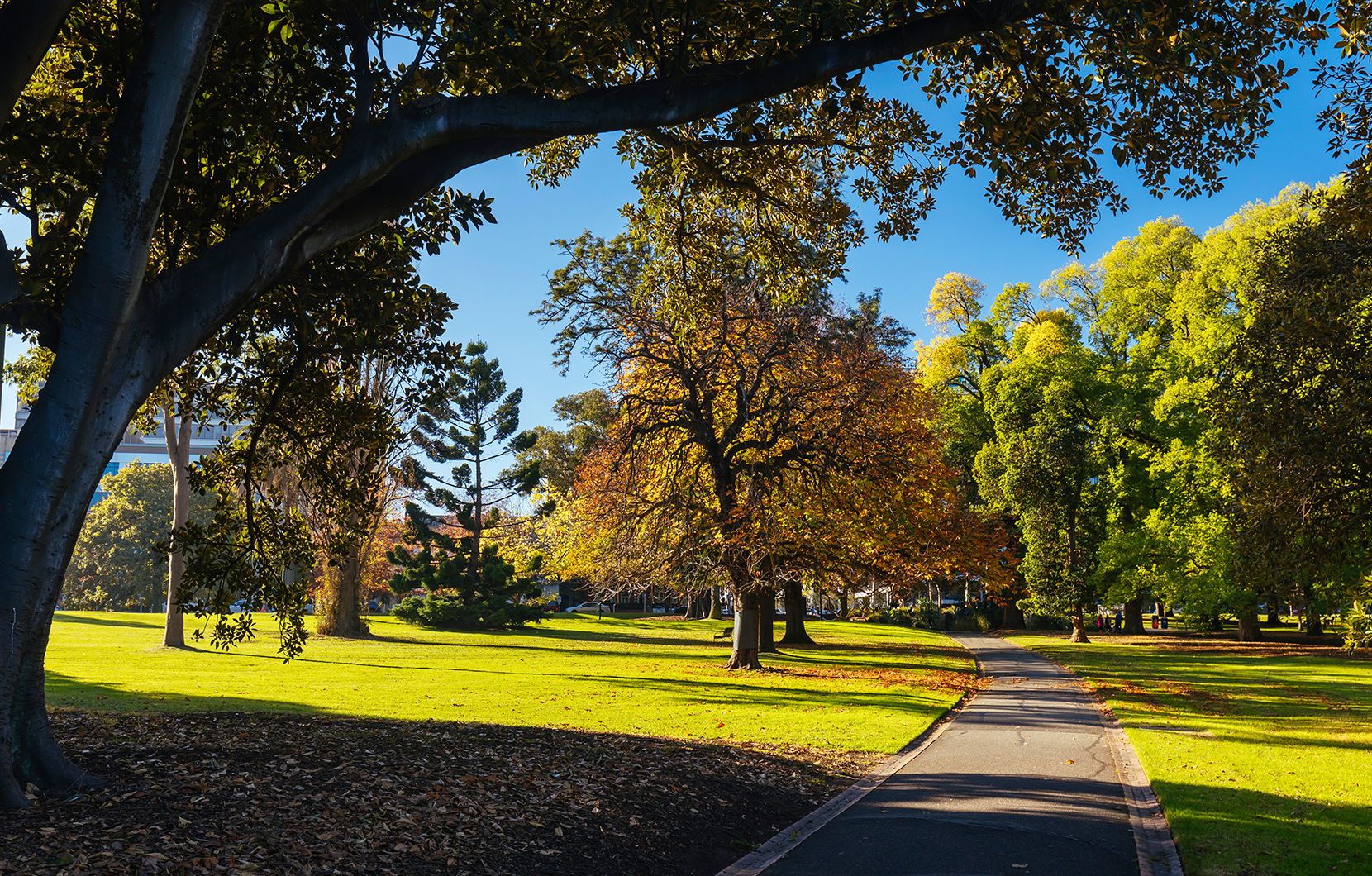
Clarke Square public art forms a visible part of the neighborhood environment on Milwaukee’s near South Side. Murals, sculpture, commercial streets, and public spaces together show local history and cultural identity. Cesar E. Chavez Drive is an important focus of this landscape, where artworks stand close to businesses, community institutions, and everyday pedestrian activity inside the district.
Public Art Along Cesar E. Chavez Drive
Clarke Square developed during the late nineteenth century as residential growth moved west from Walker’s Point toward land near the Menomonee Valley. Over time, different groups of residents shaped the neighborhood. Diversity became part of its character, and public art became one visible way to express stories, identities, and community values in shared space.
Cesar E. Chavez Drive, formerly known as 16th Street, is a central commercial corridor in the area. The street was renamed for Cesar E. Chavez, the labor leader and civil rights activist. Between National Avenue and Greenfield Avenue, the corridor includes restaurants, stores, financial services, local organizations, and other neighborhood businesses.
Murals and Sculpture in the Corridor
Several public artworks are located along Cesar E. Chavez Drive and nearby streets. They represent different artists and subjects, but together they create a recognizable visual layer inside the neighborhood.
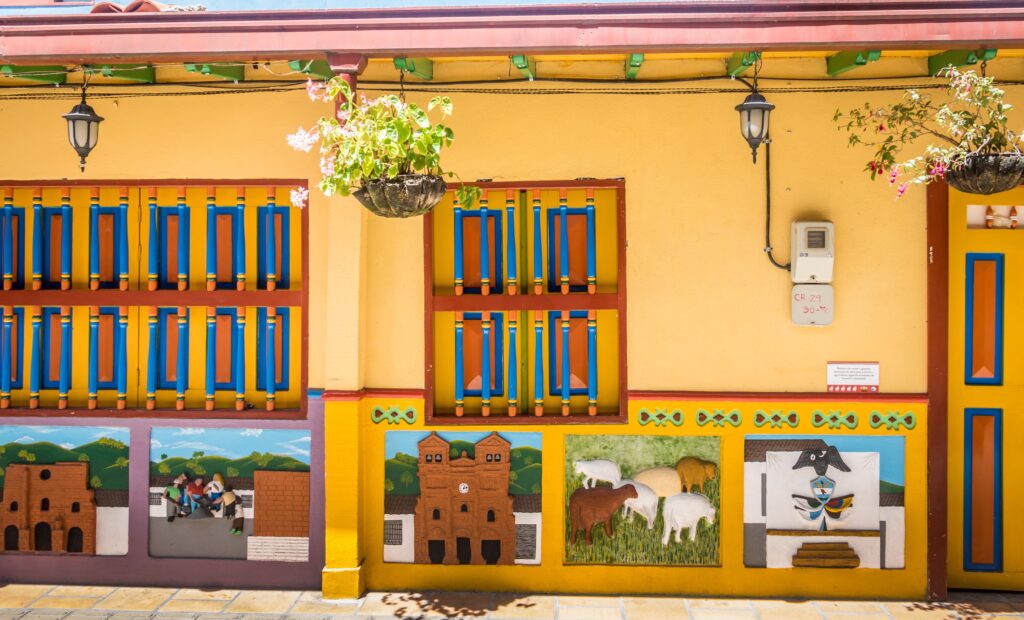
Examples include:
- Isabel Castro’s mural “Tejiendo Raices” at 1017 South Cesar Chavez Drive
- CK Ledesma’s mural “Si Se Puede” at 1000 South Cesar Chavez Drive
- Mauricio Ramirez’s mural for the 50th anniversary of Sixteenth Street Community Health Center
- Elliot Paterson’s “United Farm Workers” mural near Cesar Chavez Drive and Washington
- a Cesar Chavez sculpture outside El Rey on Cesar Chavez Drive
These works place art directly beside daily neighborhood activity. People can see murals and sculpture while walking, shopping, using services, or traveling through the corridor. Art is not separated from normal city life but becomes part of the streetscape.
Neighborhood Exploration and Cultural Context
Clarke Square was also included in a Doors Open neighborhood program that encouraged self guided exploration. Instead of focusing only on building interiors, the program directed attention toward outdoor locations, streets, landmarks, and public art within the district.
An activity page created by artist CK Ledesma was available in English and Spanish. It gave families and visitors a structured way to observe the neighborhood and learn about selected places while moving through the area independently.
Connection With Parks and Local Places
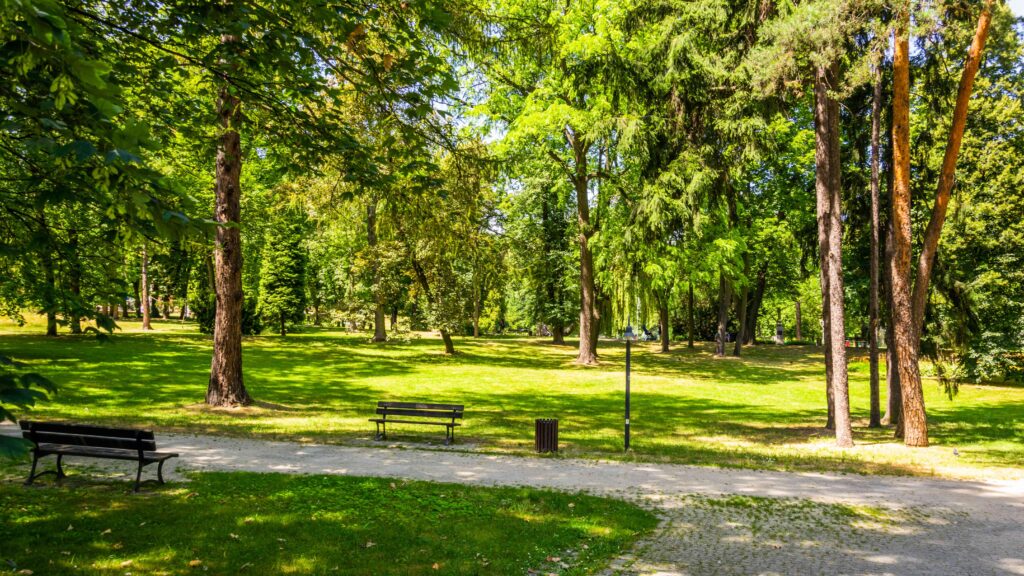
Mitchell Park adds another important element to the Clarke Square setting. It is one of Milwaukee’s older designed parks and is widely known for the Domes. The area also has historical links to early settlement near the Menomonee River.
Together, murals, sculpture, businesses, parks, and streets create a broader picture of Clarke Square. Public art helps connect visual culture with local history and everyday movement. The neighborhood can be understood not through one attraction, but through many places that work together as parts of the same urban environment. This combination gives the district an identity visible in its public spaces and corridors.